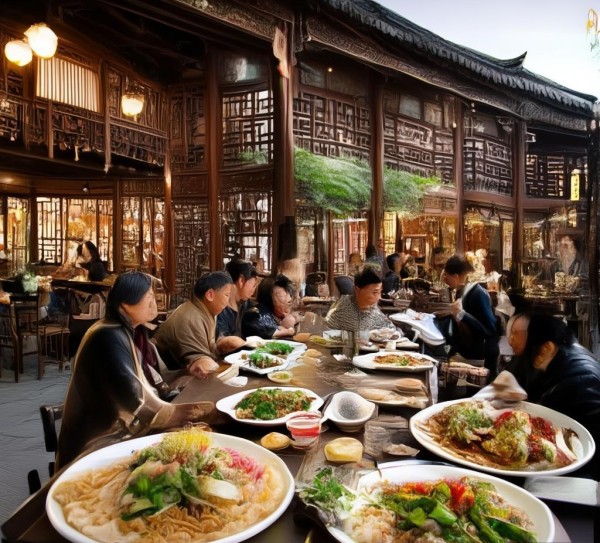

酒店餐饮管理遵循从基础到提升的规范,旨在保障服务质量并提升运营效率,基础管理包括卫生、服务、环境和员工培训,而提升阶段则强调创新服务、优化环境和数据分析,这种系统管理确保餐饮环境卫生达标、服务优质、员工专业,并通过数据驱动持续改进,从而提升整体酒店运营质量。

Ordinary hotels play a crucial role in the hospitality industry, and the management of dining services is a key area that requires strict adherence to guidelines to ensure the quality and customer satisfaction of the dining experience.
从基础管理出发,提升服务品质
The foundation of effective dining management lies in a well-structured approach to service delivery. The first step is to establish a strong client relationship, ensuring that every customer feels valued and understood. This involves training staff to recognize and respect customers' expectations and provide clear communication to avoid misunderstandings.
Service standards must be upheld throughout the dining experience. This includes maintaining a clean and卫生-healthy environment, using appropriate食材 and tools, and regularly cleaning equipment to prevent contamination. Staff should also adhere to labor laws and ensure compliance with food safety regulations.
环境与卫生管理
Maintaining a clean and卫生-healthy environment is essential for a successful dining experience. Regular cleaning of water fixtures, water龙头, and water boxes ensures water remains clean for customers. Proper use of clean ingredients and tools, such as cutlery and cutters, is crucial to adhere to food safety standards. Additionally, keeping the dining area tidy and organized can help prevent food poisoning and ensure a safer environment for both staff and customers.
食品安全
Ensuring food safety is a top priority in any restaurant. Food must be processed according to food safety regulations, including maintaining proper temperature control, using food-grade ingredients, and controlling packaging. Regularly inspecting and testing food products ensures that they meet the highest standards of safety. Additionally, staff should be trained on proper food preparation techniques to aid in maintaining food quality and safety.
合规性与培训
Ensuring compliance with food safety regulations is not only important for customer satisfaction but also for the overall health of the staff and the restaurant. Regular training and awareness programs can help staff stay informed about food safety protocols and maintain the highest standards of practice. Additionally, employees should be encouraged to report any food-related incidents to ensure that they are addressed promptly.
员工文化与培训
A positive employee culture is essential for the success of any restaurant. fostering respect, empathy, and inclusivity among staff can enhance communication and collaboration. Training employees in these areas can also help them develop the skills and knowledge needed to interact effectively with customers and other staff members.
数据分析与优化
Analyzing customer and staff data can provide valuable insights into customer preferences, service performance, and operational efficiency. By leveraging data analytics tools, restaurants can identify trends, track progress, and make informed decisions to improve service quality and reduce waste. Additionally, data can be used to monitor employee performance and ensure that they are meeting their roles and responsibilities.
员工培训与提升
<p style="margin-top: 2px; padding: 2px; border-top: 1px solid #ddd; height: 1px